The Future of Additive Manufacturing: Trends and Predictions (⏱️ 3 mins read)
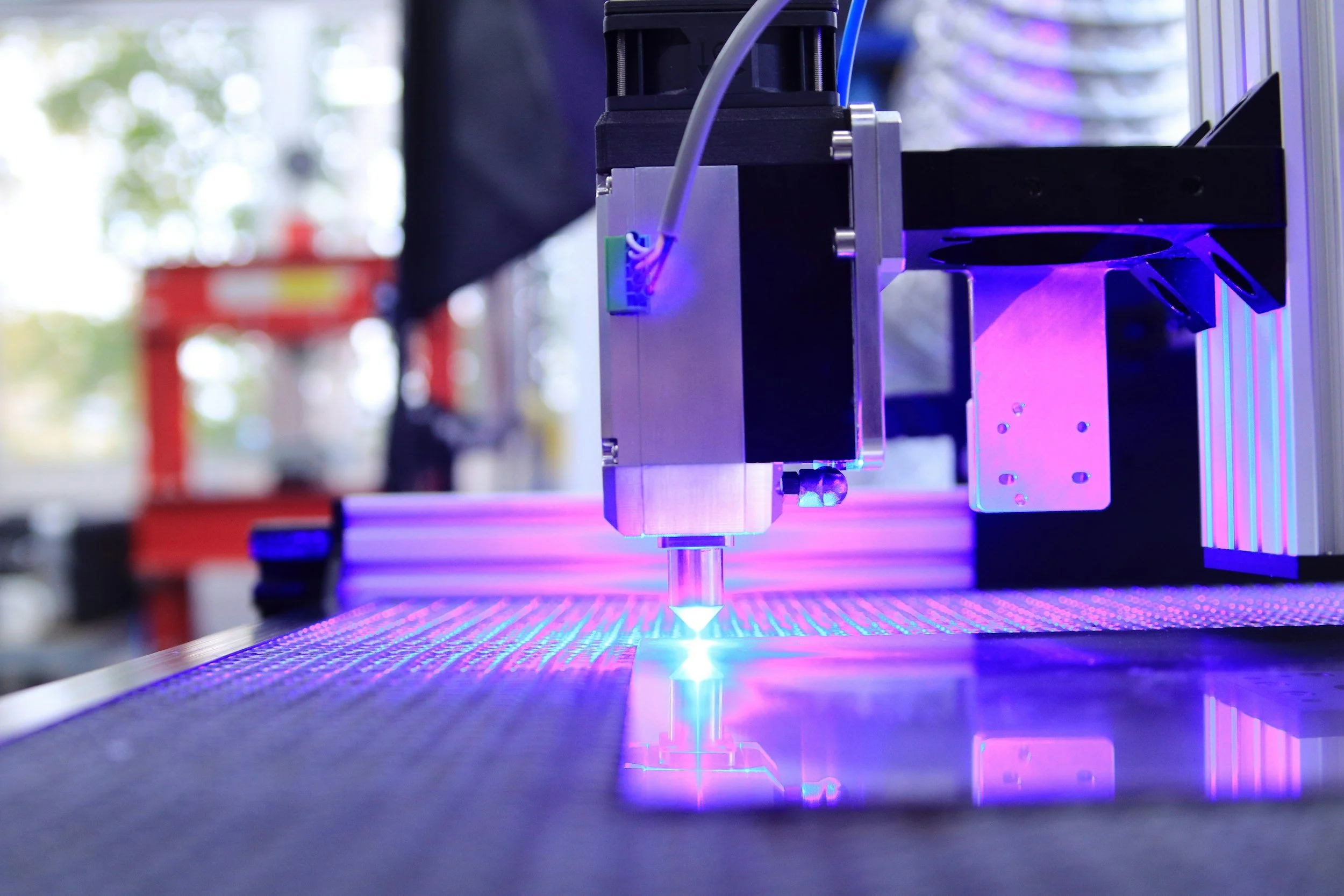
Additive manufacturing (AM), commonly known as 3D printing, is rapidly transforming the global manufacturing landscape. By building objects layer by layer from digital models, this technology enables complex geometries, reduced material waste, and highly customized production. As technological capabilities advance and adoption increases across industries, additive manufacturing is expected to play a significant role in the future of industrial production.
One of the most notable predictions is the rapid growth of the additive manufacturing market. Industry analyses estimate that the global AM market could reach approximately $88 billion by 2030, driven by increasing industrial adoption and technological improvements. This growth is being fueled by industries such as aerospace, healthcare, automotive, and defense, where the ability to produce lightweight, complex, and customized components provides major competitive advantages.
Another important trend is the shift from prototyping to full-scale production. While additive manufacturing initially served mainly as a rapid prototyping tool, advances in printers, materials, and automation are enabling large-scale production runs. Experts predict that within the next decade, additive manufacturing will support production programs involving tens of thousands of units, particularly in sectors like aerospace and electric vehicles.
The integration of artificial intelligence and digital manufacturing systems will also shape the future of the industry. AI-driven monitoring and sensor systems are already being developed to detect faults during printing and optimize production processes in real time. These technologies improve reliability, reduce waste, and enable smarter manufacturing environments aligned with the principles of Industry 4.0.
In addition, new materials and sustainable manufacturing practices will expand the potential applications of additive manufacturing. Researchers are developing bio-based and recyclable materials, while machine learning techniques are accelerating the discovery of high-performance printing materials. This shift toward sustainability will help reduce waste, lower energy consumption, and support circular manufacturing models.
Finally, additive manufacturing is expected to reshape supply chains through localized, on-demand production. Instead of maintaining large inventories, companies may rely on digital inventories and distributed printing facilities that manufacture parts close to where they are needed. This approach can shorten supply chains, reduce transportation costs, and increase resilience in global manufacturing networks.
In conclusion, additive manufacturing is transitioning from a niche technology into a central pillar of modern manufacturing. With advances in materials, automation, artificial intelligence, and digital supply chains, the technology has the potential to redefine how products are designed, produced, and distributed in the coming decades.
Want to know more about how to embrace the value of Additive manufacturing (AM) in your organisation?
Contact us at support@heptanode.com